YOU KNOW WHAT YOU MEAN.
You explained it.
They nodded.
Did they really GET IT?
Your patients don't need your technical professional language. They need YOU to turn those technical words into everyday words, pictures, and explanations that make sense to them.
"Cervical anterior rotation causing facet joint irritation."
"Yes, okay... (What does that mean for me?)"
"Your neck is holding an 11lb bowling ball at arm's length."
The nod can fool you.
Patients don't always tell you when they're lost.
Sometimes they nod. Sometimes they say "okay." Sometimes they leave. And sometimes we interpret silence as understanding.
You speak practitioner.
You were trained to see human bodies through clinical vocabulary.
Your patient speaks...
Somewhere between what you know...
...and what they understand...
Something gets lost.
The problem isn't necessarily what you're saying. It may be:
They don't need the textbook.
They need the part that answers five core questions:
From Information to Understanding
THE CONCLUSION
Information tells them.
Understanding moves them.
Sometimes the shortest route to understanding isn't another explanation.
It's a picture they already understand.

A dry paintbrush drags across the canvas. Add water, and suddenly it moves smoothly. Hydration lets your muscles glide instead of drag.
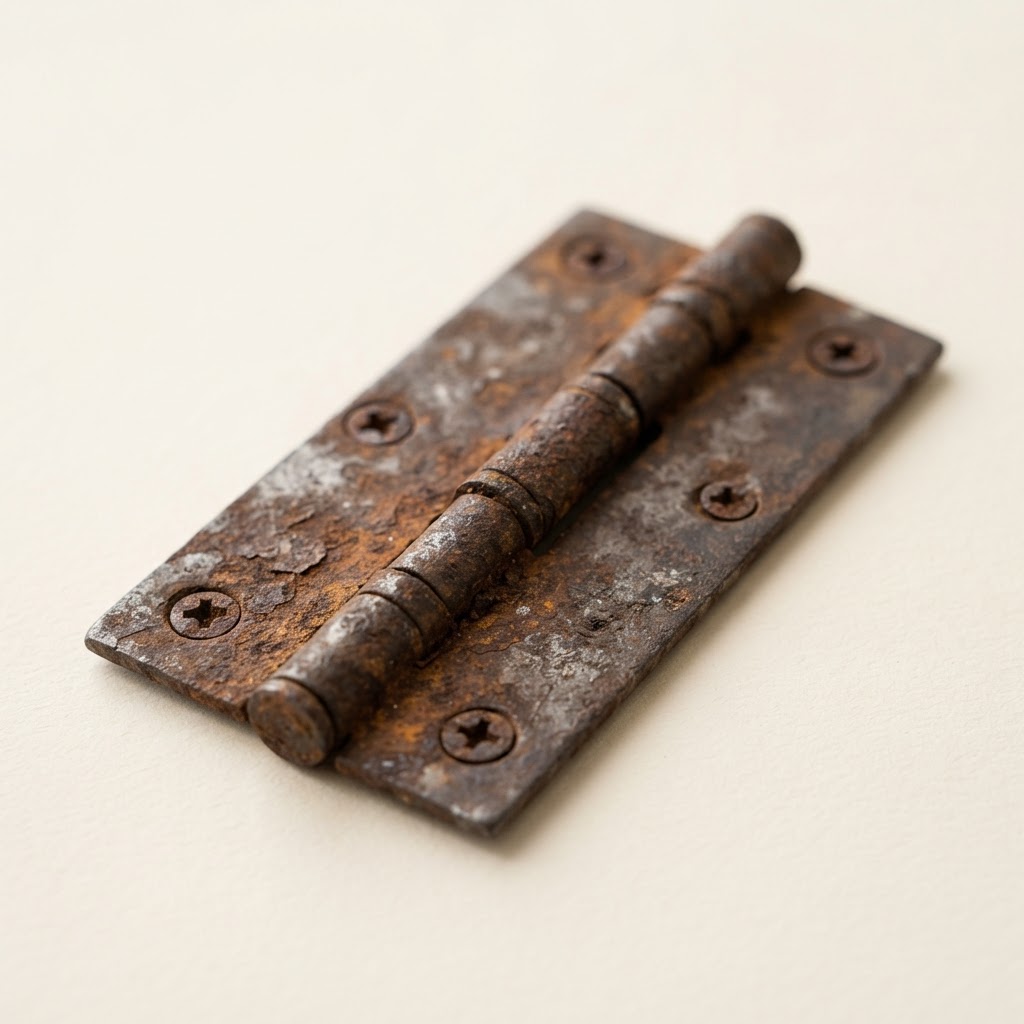
A door hinge doesn't stop working overnight—it slowly stiffens as it rusts when it isn't used, reducing its ability to move well and fully. Movement keeps your joints oiled.
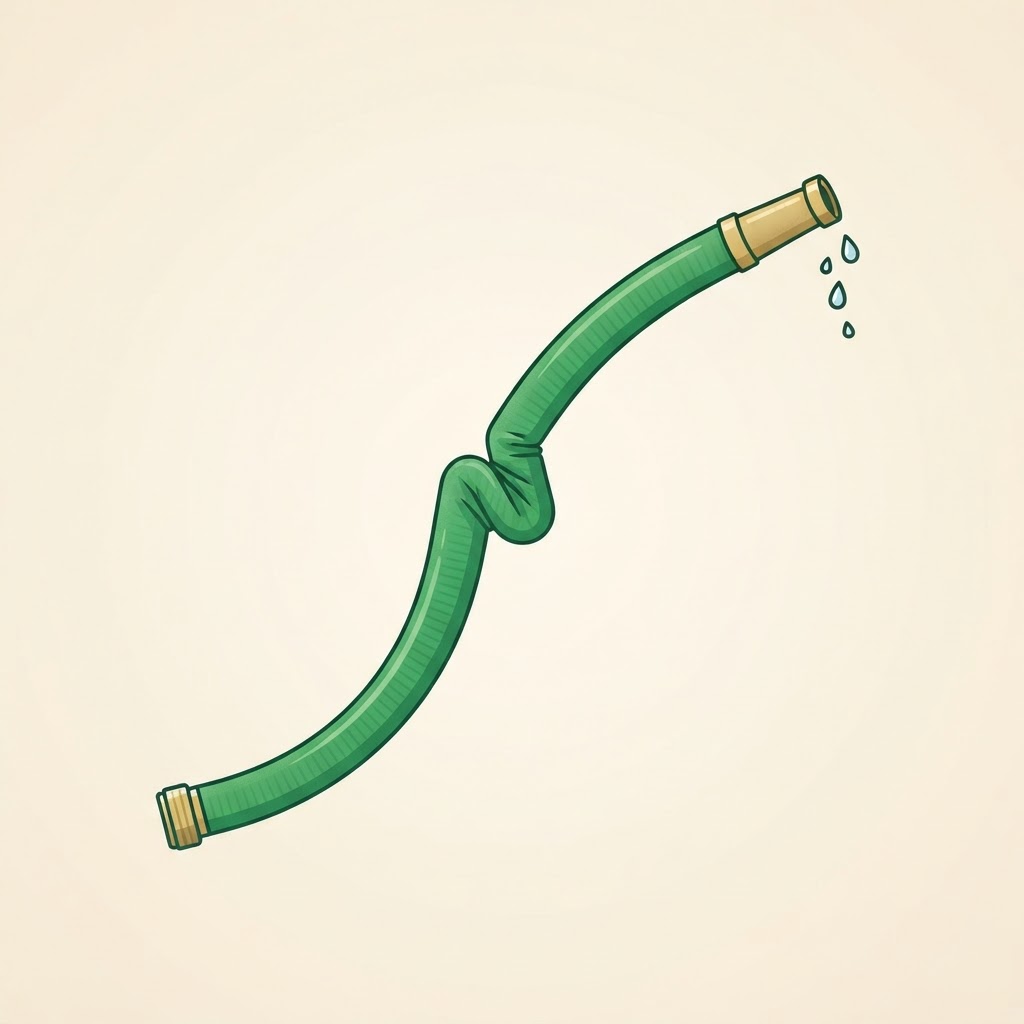
A restricted muscle is like a kinked hose—flow isn't gone, just reduced.

Scar tissue is like a patch on jeans—strong, but it doesn't stretch like the original fabric.
An analogy gives patients something familiar to connect new information to. Instead of asking them to remember professional terminology, you give them a picture they can carry with them.
When patients understand, the conversation changes.
Understanding creates better questions. Clearer next steps.
And recommendations feel less like instructions and more like something the patient understands.
Turn what YOU know into something THEY can use.
Five connected communication steps inside the book:
You already have the knowledge.
Now let's make sure YOU can translate it
What if you could translate this...
...into something they can SEE?
Use the Translation Bridge in Action-choose which you want to see.
"Unilateral pelvic obliquity leading to contralateral quadratus lumborum hypertonicity and mechanical compensation."
(They nodded and said "okay," but inside they are guessing.)

The Alignment of a Bicycle Wheel
Think of your pelvis like the wheel of a bicycle. If one spoke goes loose, the opposite spokes have to pull twice as hard just to keep the wheel rolling straight. Your lower back isn't broken—it's that overworked spoke doing the job of two muscles.
Try this in your clinic today.
Think about an anatomy concept, postural pattern, or homework exercise you explain to patients every single day.
"Could your patient explain this back to someone else at dinner tonight... without using your clinical words?"
When a patient leaves your room, will they tell their spouse: "My practitioner said something about my C5 nerve root and facet joint", or will they say: "My neck is holding an 11-pound bowling ball 2 inches too far forward"?
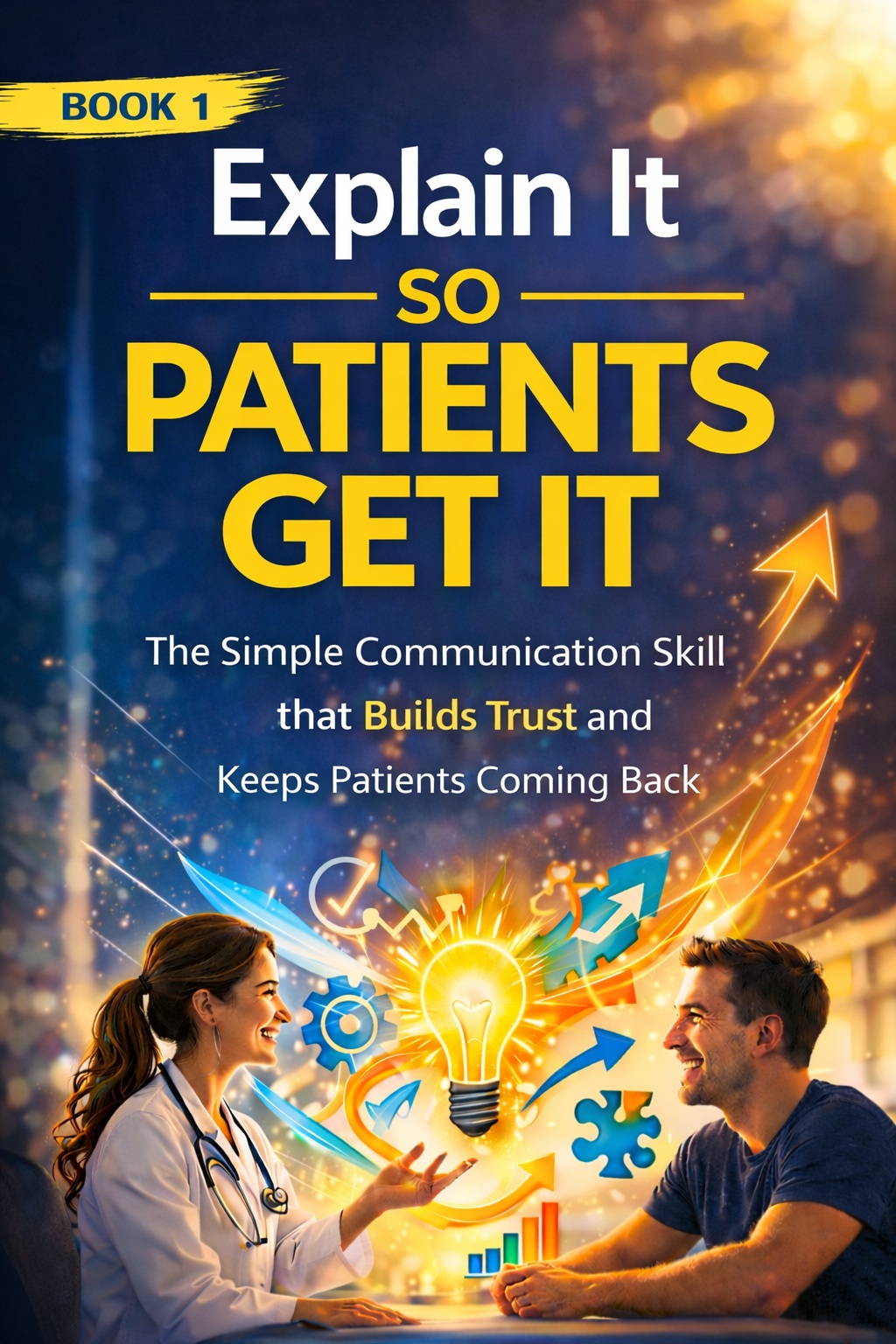
Explaining more isn't always explaining better.
"For more than 30 years, I've worked with patients, taught students, explained anatomy, answered questions, and watched people's faces while I talked."
"And I learned something important: Knowing what I meant wasn't enough. I had to learn how to explain it in a way the other person could see, understand, and connect to their own experience."
"Sometimes that meant fewer words. Sometimes it meant different words. And very often... it meant a good analogy."
Ready to make your expertise easier to understand?
A practical guide to turning professional knowledge into clearer patient conversations using everyday language, visual pictures, and memorable analogies.
Explain It So Patients Get It™
- The Understanding Gap Framework: Diagnostic tools to catch polite nods before patients leave lost.
- 50+ Clinical Analogy Blueprints: Ready-to-use visual metaphors for compensation, inflammation, posture & care plans.
- 5 Communication Stations: Simplify, Connect, Show, Explain Why, and Guide.